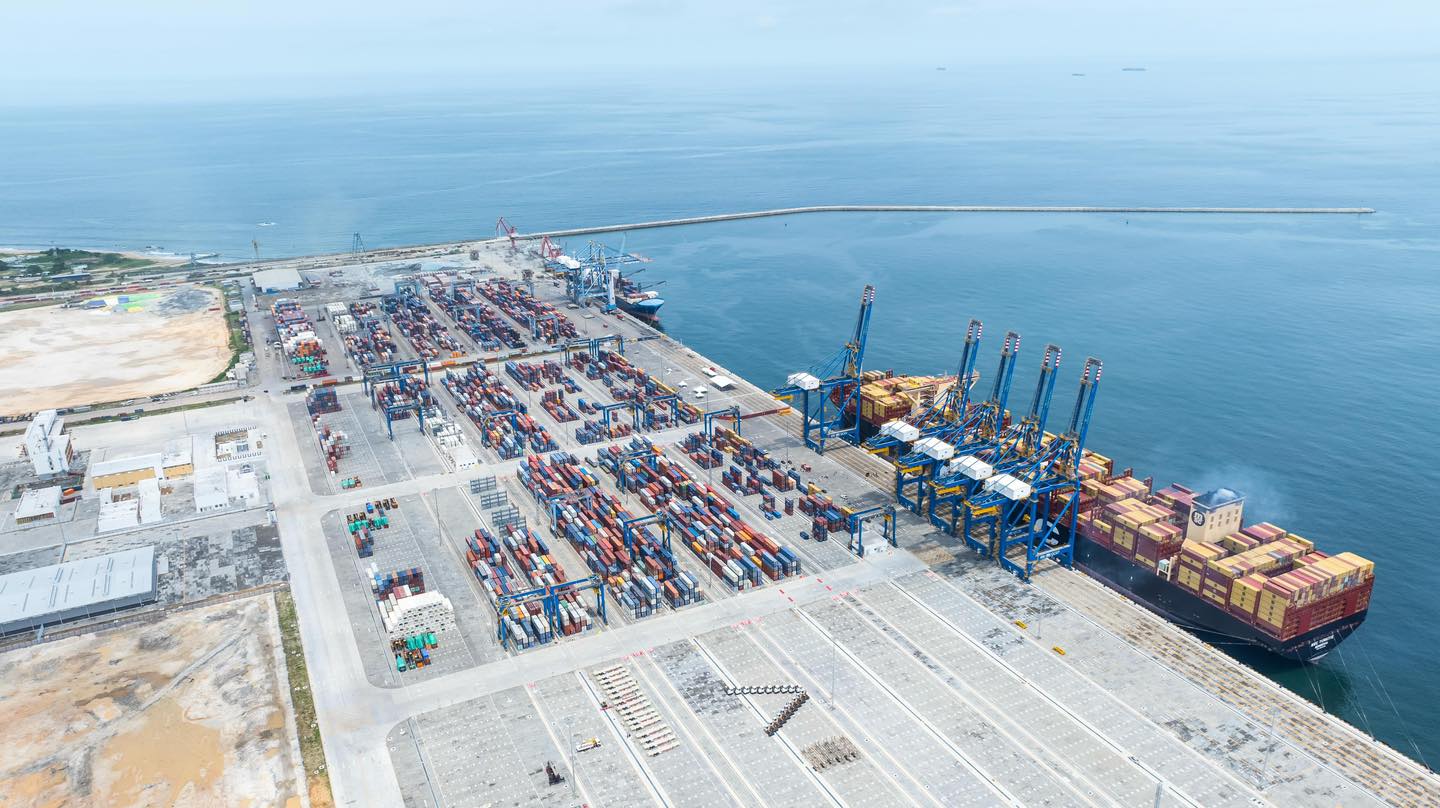
The streets of Kribi are a palimpsest—a manuscript where new stories are written over the old, but the faint lines of the past are still visible if you know where to look. Amidst the glass facades of new banks and the sprawling concrete of the logistics bases, the ghosts of the colonial era still stand in brick and mortar.
Thank you for reading this post, don't forget to subscribe!To walk through the historic center of Kribi is to take a tour through a turbulent timeline of German ambition, French administration, and the enduring resilience of the indigenous Batanga people.
The Sentinel of the Coast: The Kribi Lighthouse
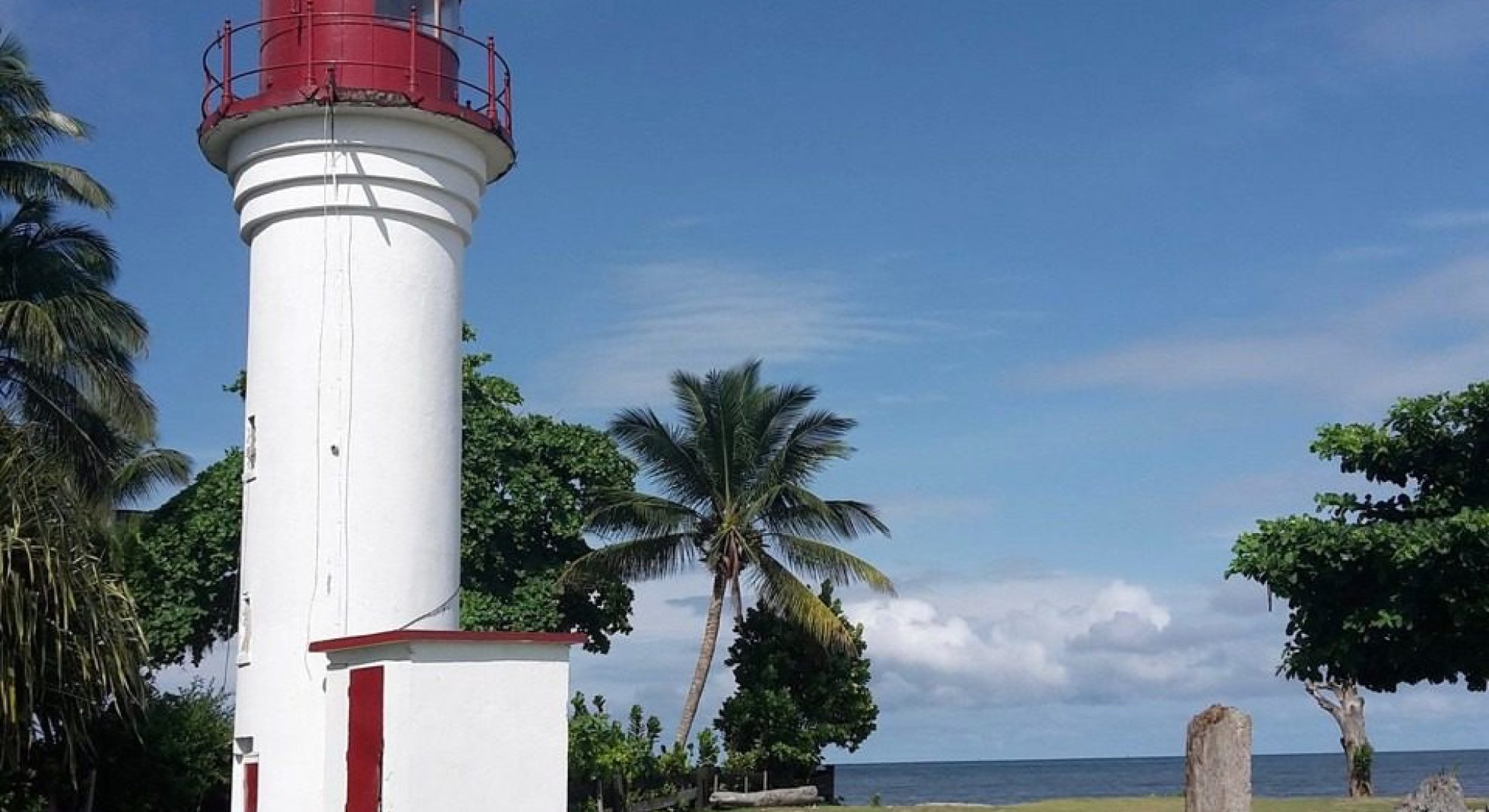
The undisputed crown jewel of Kribi’s architectural heritage is the Lighthouse (Le Phare). Built in 1906 by the German colonial administration, it remains one of the few functional historic lighthouses in Central Africa.
Standing at 15 meters tall, its red-and-white cylindrical structure is iconic. But its significance goes beyond navigation. In the early 20th century, Kribi was a booming trade hub for rubber, ivory, and timber. The lighthouse was the beacon that guided European steamers into the Kienké River estuary.
For the locals, however, the lighthouse has a more complex meaning. It was built with forced labor, a monument to a regime that was often brutal. Yet, today, it has been reclaimed as a symbol of the town itself. It stands near the mouth of the Kienké, overlooking the fishermen returning with their daily catch, a silent witness to the city’s transformation from a colonial outpost to a modern metropolis.
The German Legacy: The Church and the Residency
Beyond the lighthouse, the German influence is visible in the sturdiness of the older administrative buildings. The German colonial architecture was characterized by thick walls to keep out the tropical heat, high ceilings, and wide verandas.
One of the most poignant structures is the old Catholic Church. Built in the late 19th century, it served as a center for the Pallottine missionaries. Its architecture—simple, imposing, and Gothic in its verticality—contrasts sharply with the lush tropical surroundings.
Nearby, the remnants of the old German Residency (now often repurposed for local administration) still show the “Fachwerk” elements and the use of local stone. These buildings were designed to last, and they have, surviving the humidity and the salt air for over a century.
The Batanga Tragedy Memorial
Architecture is not just about buildings; it is about monuments to memory. A stone’s throw from the lighthouse stands a somber memorial dedicated to the “Batanga Tragedy.”
This site commemorates the deportation of the Batanga people in 1916. It is a modest monument, but its placement next to the colonial lighthouse creates a powerful juxtaposition. On one side, the tower of the oppressor; on the other, the stone of the survivor.
Visitors often miss this dialogue between the two structures, but for the locals, it is the defining narrative of the waterfront. It turns a simple sightseeing walk into a lesson on resistance.
The Fading French Influence
Following World War I, the French took control of East Cameroon, including Kribi. The French architectural style brought a different flair—more Art Deco influences, evidenced in some of the older commercial trading houses and the layout of the town center’s boulevards.
Many of the old warehouses (factoreries) that line the riverbank date from this period. These were the storehouses for cocoa and coffee. Today, many are dilapidated or have been converted into bars and nightclubs, their cavernous interiors now hosting Afrobeat parties rather than sacks of export goods. There is a certain romance to this decay, a feeling of time passing slowly.
Conservation vs. Modernization
The challenge for Kribi today is preservation. As land values skyrocket due to the port’s success, there is immense pressure to demolish these low-rise, aging colonial structures to make way for high-rise hotels and office blocks.
“We are losing our history brick by brick,” warns a local architect and historian. “If we tear down the colonial center, we become just another anonymous port city. These buildings tell the story of how Kribi connected to the world long before the deep sea port was an idea.”
Efforts are being made to designate the historic waterfront as a protected zone, creating a “heritage trail” that links the lighthouse, the church, the German bridge over the Kienké, and the Batanga memorial.
For now, they still stand. And for the traveler willing to look past the new construction, they offer a whisper of the past—a time of steamers, missionaries, and the indomitable spirit of a people who watched empires rise and fall from the banks of the Kienké.