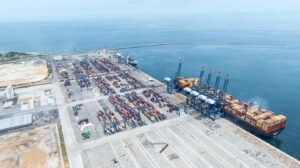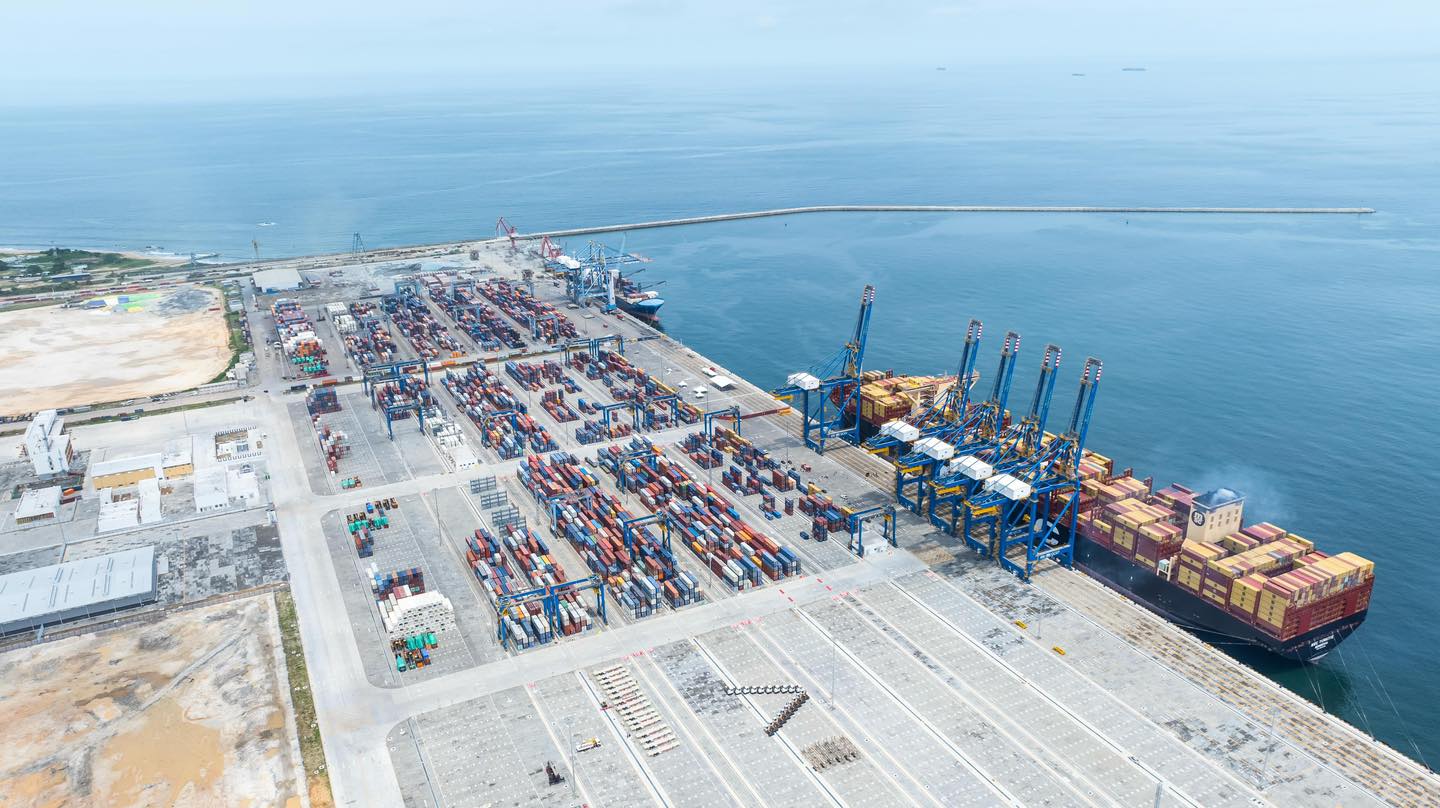
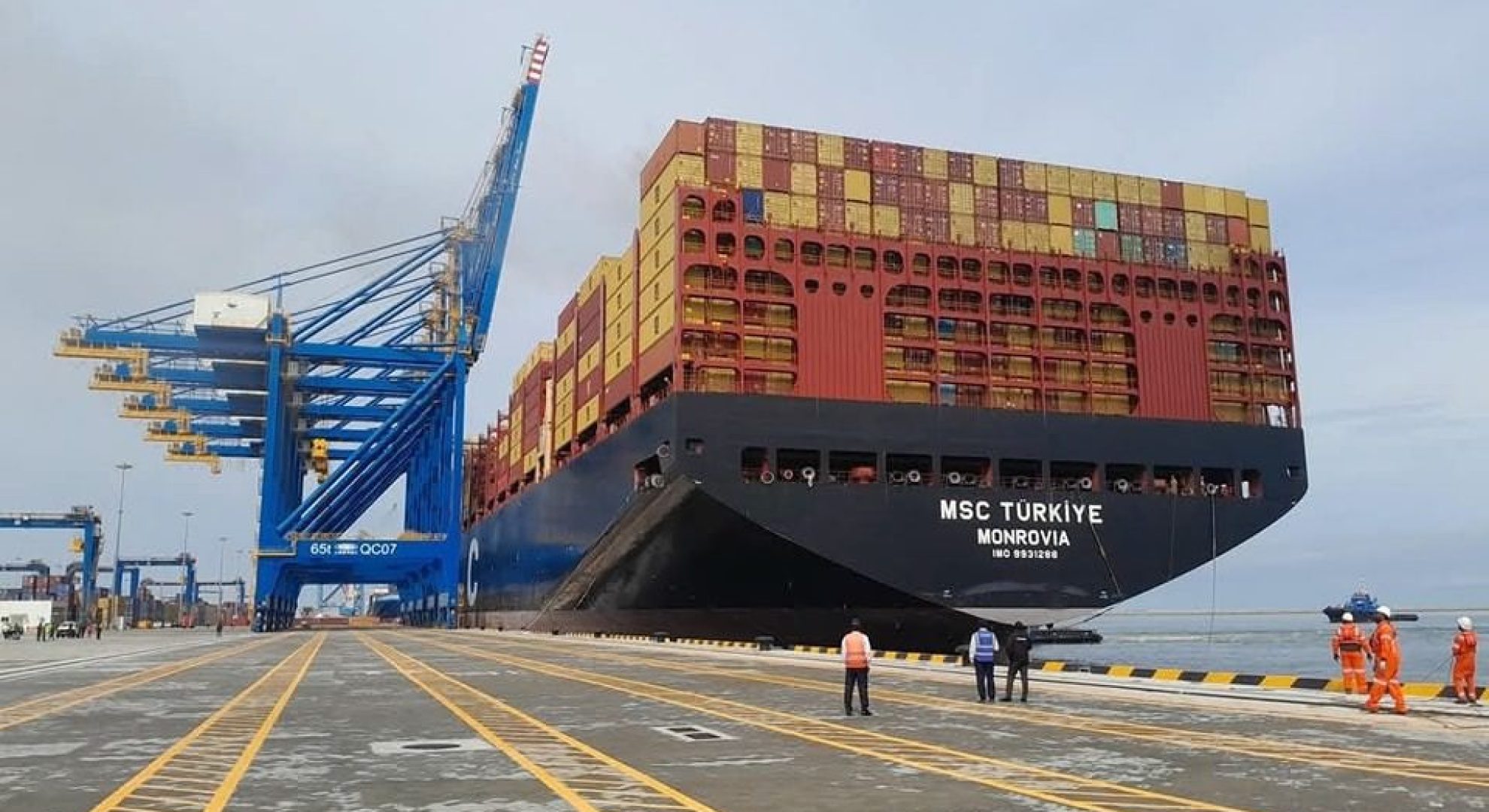
It has been eight months since the inauguration of Phase II of the Kribi Deep Sea Port, and the numbers are in: the gamble has paid off. When the MSC Türkiye—a 400-meter leviathan and one of the world’s largest container ships—docked in May 2025 to christen the new terminal, it was a symbolic victory. Today, in early 2026, we are seeing the practical reality.
Thank you for reading this post, don't forget to subscribe!Kribi is no longer just a Cameroonian port; it is the maritime lung of Central Africa.
The “Transshipment” Revolution
The completion of Phase II added 715 meters of quay and extended the draft to 16 meters. This technical jargon translates to one simple economic fact: Kribi can now handle the “motherships.”
Previously, huge vessels from Asia or Europe had to dock in West African hubs like Lomé or Abidjan, transferring goods to smaller ships to reach Cameroon. Now, they come direct. This has slashed transit times by days and reduced freight costs for importers.
“We are seeing a 20% increase in transshipment volume,” reports a logistics analyst at the Port Authority. “Goods destined for Chad, CAR, and even northern Congo are now landing here because we can turn the ships around faster than Douala or Pointe-Noire.”
The Logistics Corridor
The success of the port has put immense pressure on the landside infrastructure. The Kribi-Lolabé highway is busier than ever. Convoys of trucks are a constant sight, feeding the supply chains of the hinterland.
However, challenges remain. The sheer volume of cargo has exposed bottlenecks in customs processing and warehousing. The port authority has responded by digitizing more clearance procedures this year, aiming for a “paperless port” by 2027.
For the local businessman in Kribi, the port is a double-edged sword. It brings wealth and investment, but it also brings traffic and inflation. Yet, standing on the beach and watching the horizon, where giant cranes now silhouette against the sunset, there is no denying the pride. Kribi is officially on the global map.