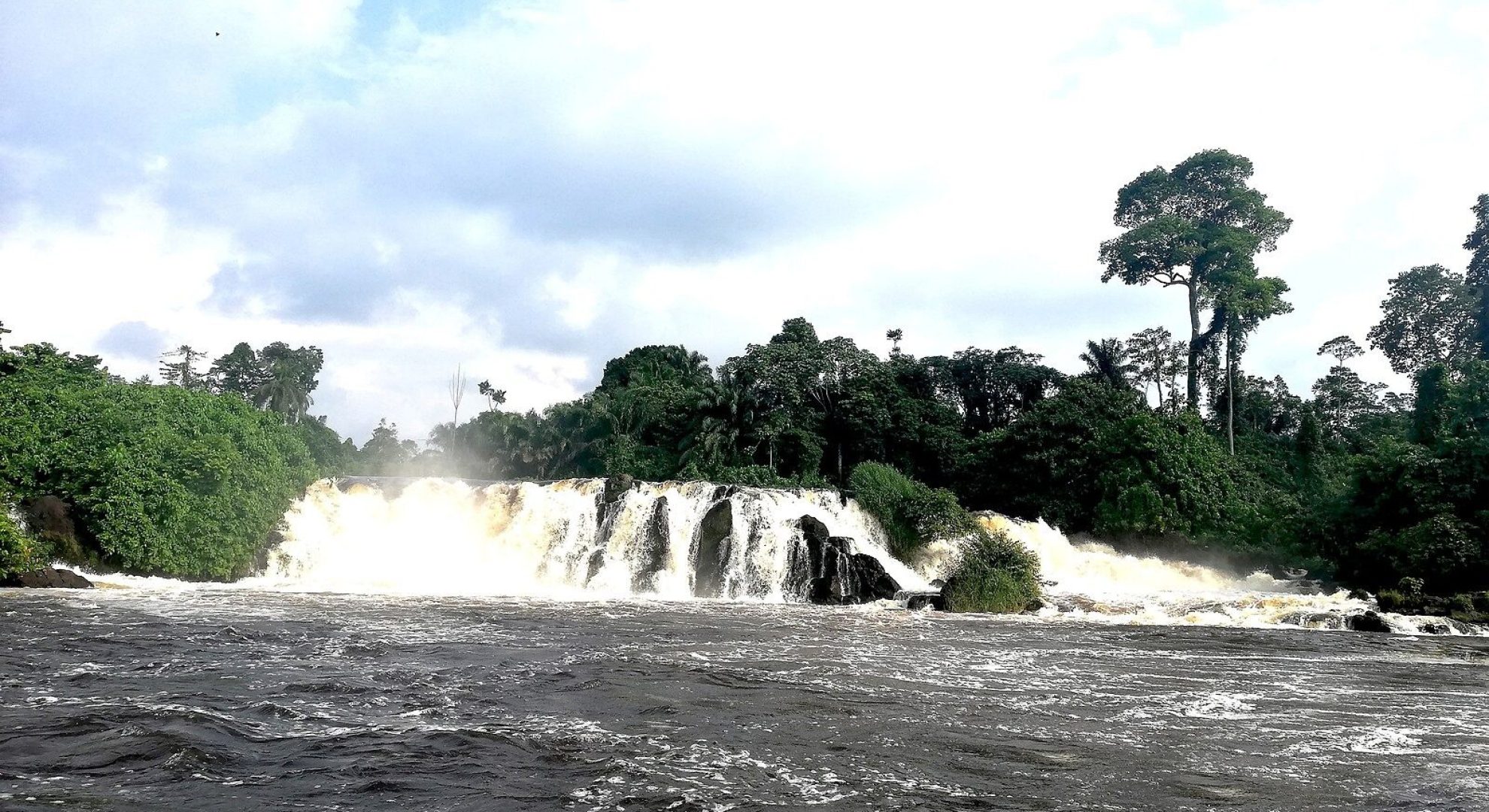
It is a phenomenon so rare that nature seems to have designed it as a specific riddle for the human spirit. In most places on Earth, a river ends its journey with a gradual widening, a muddy delta, or a quiet merging into the saline embrace of the ocean. But in Kribi, the Lobe River does not surrender quietly. It arrives at the Atlantic coast with a roar, cascading directly over a series of basalt steps into the waiting surf of the Gulf of Guinea.
Thank you for reading this post, don't forget to subscribe!The Lobe Falls are more than just a geological curiosity or a postcard-perfect backdrop for tourists; they are the spiritual beating heart of the southern coast. To stand at the base of the falls, where the fresh mist of the river mixes with the salty spray of the sea, is to stand at a crossroads of elements, history, and legend.
A Geological Rarity
The falls are located roughly seven kilometers south of Kribi town. Geologically, they are unique because the Lobe River fans out into a series of smaller cascades—some as high as 20 meters—spanning a width of nearly 100 meters. The water tumbles directly into the ocean, creating a rare “tide-waterfall” environment.
This distinct formation creates a micro-ecosystem that has fascinated scientists for decades. The brackish water pool formed at the base of the falls is a nursery for giant freshwater prawns (the famous kribi from which the town likely takes its name, though linguistic debates continue). It is a chaotic, churning environment where the force of the river battles the incoming tide, a perpetual struggle that changes visually with every hour of the day.
The Sacred Waters of the Batanga and Mabi
While tourists see a spectacle, the local Batanga and Mabi peoples see a cathedral. For centuries, the Lobe Falls (La Lobe) have been a sacred sanctuary. The falls are believed to be the dwelling place of the Jengu (plural: Miengu), the water spirits that watch over the coastal communities.
“The water does not just wash the body; it washes the soul,” says waiting Elder Ekouma, a custodian of local oral history. “When our ancestors arrived here, they saw the river refusing to slow down before the ocean. They saw power. They saw the divine.”
This spiritual connection is most visible during the healing and purification rituals performed at the river’s edge. Traditional healers often bring patients to the falls to cleanse them of bad luck or spiritual ailments. The roar of the water is said to carry prayers directly to the ancestors. It is common, even today, to see offerings of food, flowers, or coins left discreetly on the basalt rocks—gifts for the spirits who control fertility and fortune.
The Enthronement of Kings
Perhaps the most significant cultural function of the Lobe Falls is its role in the political hierarchy of the coastal tribes. The falls serve as the ceremonial ground for the enthronement of Batanga kings and chiefs.
The ritual is shrouded in secrecy, but it is known to involve a procession to the base of the falls. The new leader must be submerged in the waters, a symbolic death of his old self and a rebirth as a vessel for the community’s will. It is said that a true leader must be able to withstand the force of the cascade without faltering, proving his strength to the Miengu.
“The King is not a King until the Lobe has accepted him,” Ekouma explains. “If the water rejects him, the people will know. The currents will change. The fish will hide. The connection between the land and the water is absolute.”
The Threat of Modernity
In recent years, the Lobe Falls have faced the dual pressures of increasing tourism and environmental change. The push to have the falls recognized as a UNESCO World Heritage site has been ongoing, a move that proponents argue would protect the site from encroaching industrialization.
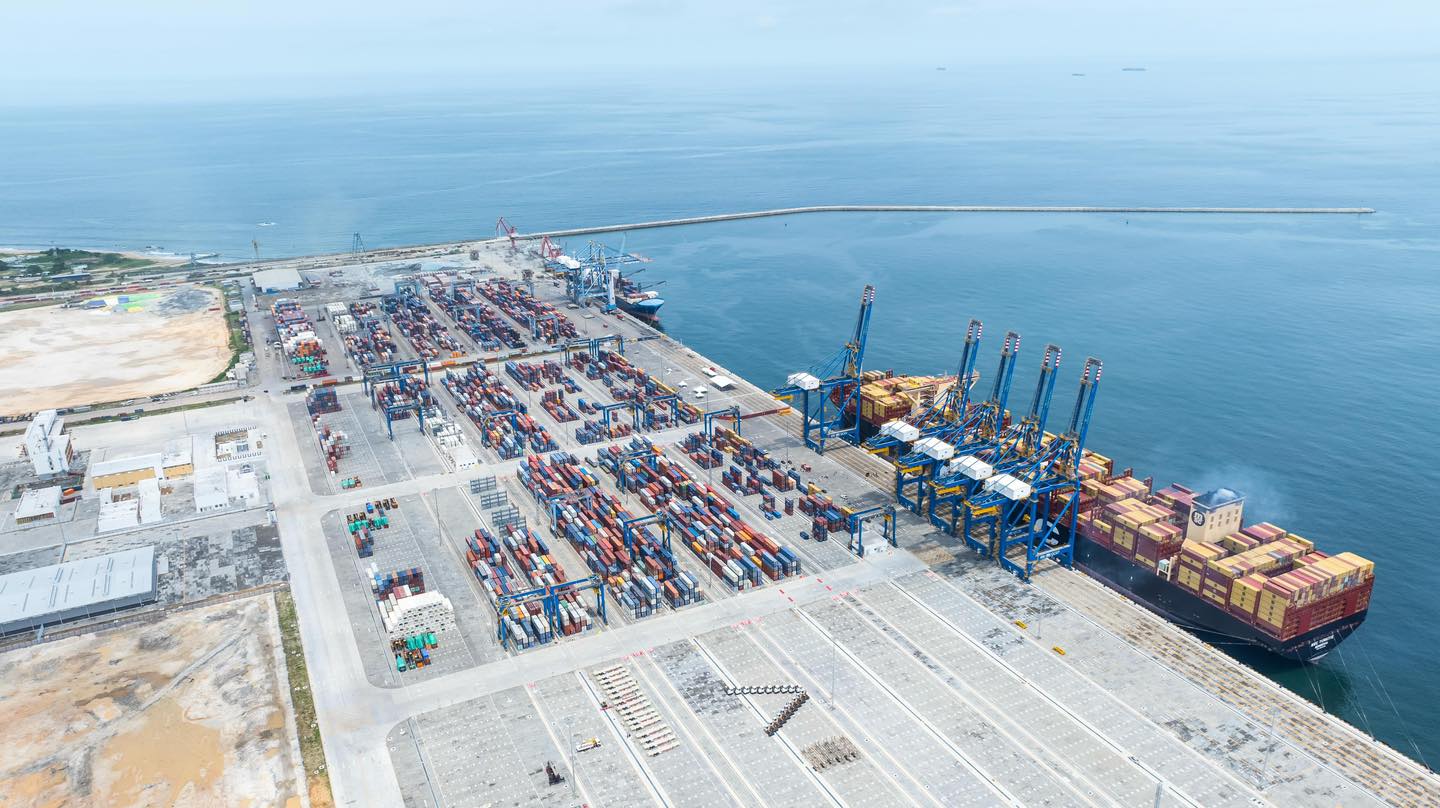
With the expansion of the Kribi Deep Sea Port and the new industrial zones, there is a palpable anxiety among the guardians of the falls. They worry that pollution or upstream damming could alter the flow of the river, silencing the voice of the spirits.
“We welcome the world to see the beauty,” says Marie-Claire, a local guide who pilots one of the traditional wooden pirogues that take visitors close to the cascade. “But we must remember that this is a church. You do not trample the altar.”
A Timeless Spectacle
Despite these challenges, the Lobe Falls remain a testament to the wild, untamed beauty of Cameroon’s southern coast. Whether viewed from a boat bobbing in the surf or from the sandy banks where the forest meets the beach, the sight of the white water crashing into the blue ocean is a reminder of nature’s power.
For the visitor, it is a photo opportunity. For the local fisherman casting his net in the brackish foam, it is a livelihood. But for the Batanga and Mabi, the Lobe Falls are the eternal ancestors—always moving, always speaking, and always watching over Kribi.